
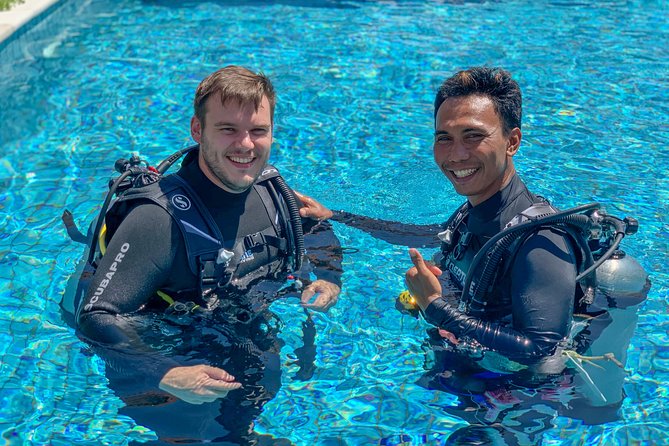
Reviewed · BALI SCUBA DIVING
PADI Open Water Course
A three-day PADI Open Water Course can turn a first taste of scuba into a skill you carry well beyond Bali. You’ll work through knowledge development, pool training and four open-water sessions in Padang Bai and Tulamben, then earn certification for a maximum depth of 18 meters if you meet the course requirements.
I like two things here: the small group cap of three participants gives your instructor room to focus on you, and the course pairs pool practice with training at two different Bali locations. The main consideration is the pace: three days is a concentrated commitment, and health rules, including the 18-hour no-fly recommendation, need to fit your travel plans.
- Three days, three phases: Knowledge development, pool training and four ocean sessions form the course.
- Two training locations: The open-water portion takes place at Padang Bai and Tulamben.
- Small group size: The maximum is three participants, useful when you are learning new skills.
- Practical support included: Hotel pickup and drop-off, air-conditioned transport, meals, drinks and snacks are part of the package.
- An 18-meter limit: PADI Open Water certification allows you to dive to a maximum depth of 18 meters.
- Plan around your flight: You should not fly within 18 hours of diving.
Three days from first lesson to certification
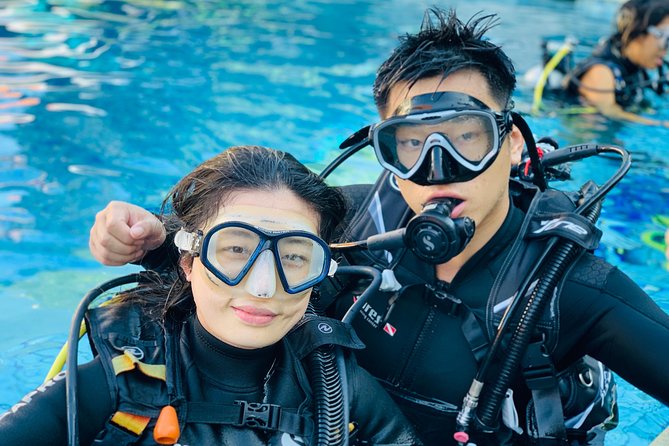
Neptune’s course is built around the standard beginner progression: first understand the basics, then practice in a pool, then apply those skills in open water. The three phases are spread across about three days, with four open-water sessions at Padang Bai and Tulamben. That makes this more than a one-off outing. You are setting aside several days to learn, practice and demonstrate the skills needed for certification.
The course is designed to give you the knowledge and ability to continue as a confident, independent diver, with a maximum depth of 18 meters once certified. That depth limit is worth keeping in mind. This is an entry-level qualification, not a ticket to every kind of underwater excursion; it gives you a foundation for safe recreational scuba and a clear next step if you want more training later.
The details of how the three days are divided are not specified, so I would confirm the daily schedule with Neptune before booking. In particular, ask when the knowledge work happens and how the pool and ocean sessions are arranged. If you complete PADI theory online before arriving, one customer found that useful because it left more time for the in-person portion. That option is worth asking about, but do not assume it is included in the $530 price.
Knowledge work before the ocean
The first phase is knowledge development. Expect to study the principles and procedures that help you understand what to do underwater and why. This part is not just paperwork before the enjoyable part: good preparation makes the practical sessions easier to follow and gives you a basis for making safe decisions.
If you are new to scuba, or simply nervous about keeping up, tell the instructor early. Several instructors have been praised for patient, careful teaching, including Gede Ariawan, Sia, Julian and Muli, also referred to as Mully. These names are useful context, not a guarantee that you will be assigned a particular person. The company’s small maximum group size is a more reliable planning point.
Some people arrive with little swimming confidence, and one person described being unsure about their ability before the course. The instructor’s patience helped them work through the training. That is encouraging, but it does not replace the medical and participation requirements. Be candid about your comfort in the water and any health concerns before you book.
More dive trips in Kuta:
- Scuba Diving in Nusa Penida – Manta Point
★ 5.0 · 198 reviews - Day Trip certified divers – 3 Dives in Tulamben (pick-up & drop-off included)
★ 5.0 · 178 reviews - Nusa Penida Day Trip for 3 dives
★ 5.0 · 127 reviews
Pool training builds the basics
Pool training is the bridge between learning the material and going into open water. Here you can work on the required skills in a controlled setting before dealing with conditions at sea. For a beginner, this stage matters: it gives you a chance to get used to the equipment and procedures while you can focus on one task at a time.
Buoyancy control is one example of a skill that takes practice. A person who came back for further training specifically appreciated help improving it. You may have different challenges, but this is a good reminder that learning underwater skills is individual. Speak up when something feels unclear or uncomfortable rather than trying to keep pace silently.
The course information does not spell out the exact pool exercises, session lengths or equipment arrangements. Ask Neptune what is provided and what you should bring. I would also check whether you need to finish any study material in advance, particularly if you have a tight Bali schedule.
Four open-water sessions at Padang Bai and Tulamben
The final phase takes you out to the water at Padang Bai and Tulamben for four open-water sessions. Training at two locations gives the practical portion a broader setting than repeating the same pool exercises. These sites are the main attraction for anyone who wants certification to be part of a Bali trip, rather than something completed at home.
The precise order of the locations, the daily timetable and the conditions you will encounter are not specified. Sea conditions can affect how a day feels, so ask the operator what the plan is and how it may change. The key point is that the course includes four sessions in open water, not simply a pool certificate or a short introductory outing.
The training is intended to prepare you to dive safely to 18 meters after certification. That does not mean every new skill will feel effortless by the final session. Allow yourself time to concentrate, listen to your instructor and repeat a task if you need to. A patient teaching style is especially valuable here, and multiple named instructors have been praised for taking time to explain and encourage.
What the small group means for your learning
The maximum group size is three participants. That can make a real difference in a skills-based course: your instructor has fewer people to watch, and you have a better chance to ask questions or get individual help. It can also make the experience feel less hurried than training in a large class.
A small group does not guarantee that you will be paired with a particular instructor or have a private course. You may be grouped with other participants, and the information does not say whether the group will always consist of three. Still, the cap is one of the clearest advantages in the package, especially if you are anxious or want more time to get comfortable.
The instructor names associated with Neptune include Gede Ariawan, Sia, Julian and Muli. Specific people have been praised for being patient, personal and encouraging, including with beginners and a teenager. Those accounts suggest an emphasis on supportive instruction, but staffing can change. If a particular instructor matters to you, ask about availability before paying.
More tours in Kuta:
- Nusa Penida day trip: boat, 4 snorkeling, Manta rays & Land tour
★ 5.0 · 2,033 reviews - Bali Nusa Penida West Private All-Inclusive Tour
★ 5.0 · 1,277 reviews - Mount Batur Sunrise Trekking Private Tour with Breakfast and Hotel Transfer
★ 5.0 · 885 reviews - Individual Bali Day Trip with Private Driver and Free WiFi
★ 5.0 · 755 reviews
Pickup, meals and the $530 price
At $530 per person, this is a sizeable expense, but it covers a three-day certification course rather than a single ocean outing. The price includes taxes and handling charges, bottled water, lunch, coffee or tea, snacks, a driver and professional guide, hotel pickup and drop-off, and transport by air-conditioned minivan. Those inclusions reduce the number of separate arrangements you need to make while training.
Pickup is offered, and the meeting point is Neptune Scuba Diving Bali at Jl. Suka Merta in Sanur Kauh, Denpasar Selatan. The activity ends back at the meeting point. The tour is listed in Kuta, but the stated start location is in Sanur, so check whether your hotel is within the pickup area and confirm the collection time. You should not assume every Bali hotel is covered.
The price does not include souvenir photos, which are available to purchase. If photos matter to you, ask about the cost before the course begins. There is no need to buy them to complete the training.
The course has a five-star rating from 16 reviews, with 100 percent recommending it in the supplied rating summary. Treat that as a positive signal, not a promise of a perfect fit. The most consistent strengths are the organization, helpful staff and patient instruction. Those are exactly the qualities that matter when you are learning unfamiliar skills over a short period.
Health, age and flight timing
The minimum age is 10. All participants must complete a health questionnaire before diving, and some medical conditions may prevent participation. Respiratory and circulatory systems need to be in good health, and body air spaces must be normal and healthy. The information specifically cautions against participation with coronary disease, a current cold or congestion, epilepsy, a severe medical problem, or being under the influence of alcohol or drugs.
If you have asthma, a heart condition or another concern, consult your doctor before booking. Do not rely on a quick conversation at the meeting point to settle a medical question. The operator advises that some pre-existing conditions can prevent diving, so it is better to check well ahead of your course dates.
Plan your flight around the course. Diving within 18 hours of flying is not recommended. Since the course lasts about three days, leave enough time after your last underwater session before boarding a plane. Confirm the exact finish time with Neptune rather than building a same-day flight plan around an estimate.
Is this the right Bali course for you?
I would consider this course if you want a recognized beginner certification and can give it three full days of attention. The small group limit, patient instruction associated with the center and included transport make it appealing if you are new to scuba or would rather not organize the practical details yourself. The mix of pool training and four ocean sessions also means you get a proper progression, not just a brief taste.
It may not suit you if your Bali schedule is packed, you are flying soon after the course, or you have a health concern that has not been cleared. The $530 price is easiest to justify if you value a complete certification course, meals and transfers in one package. Ask about the timetable, online theory, pickup coverage and your instructor before you commit.
If those details fit your plans, Neptune’s course looks like a practical way to earn PADI Open Water certification in Bali. Book it for the learning and training, not just the scenery: the real value is leaving with skills you can use beyond this trip.
FAQ
How long does the PADI Open Water Course take?
It lasts approximately three days and includes knowledge development, pool training and four open-water sessions.
Where do the open-water sessions take place?
They take place at Padang Bai and Tulamben.
What is the maximum group size?
The activity has a maximum of three participants.
What is the minimum age?
The minimum age is 10 years.
What certification depth does the course cover?
After certification, you can dive to a maximum depth of 18 meters.
Is hotel pickup included?
Yes. Hotel pickup and drop-off are included, along with transport by air-conditioned minivan. Confirm that your hotel is within the pickup area.
Where does the activity start and end?
It starts at Neptune Scuba Diving Bali, at Jl. Suka Merta in Sanur Kauh, Denpasar Selatan, and ends back at the meeting point.
Are meals and drinks included?
Yes. Lunch, bottled water, coffee or tea, and snacks are included.
Are souvenir photos included?
No. Souvenir photos are available to purchase.
How long should I wait before flying after the course?
Diving within 18 hours of flying is not recommended. Plan your flight for at least 18 hours after your final underwater session.
Just added in Kuta
- West Nusa Penida Day Trip★ 5.0 · 8 reviews
- Your Fragrance Selection: Bali Perfume Workshop and Creations★ 5.0 · 3 reviews
- Bali Breathtaking Waterfall Tour★ 5.0 · 5 reviews
- Waterbom Bali Tickets – Single Day Pass★ 5.0 · 5 reviews
- Indonesia: Waterbom Bali Entry Ticket★ 4.5 · 6 reviews
- Ubud Tour with Jungle Swing and Waterfall Water Temple★ 5.0 · 7 reviews
- Bali Halfday Tour Uluwatu★ 5.0 · 5 reviews
- Sunrise Jeep With Natural Hot Spring Tour Packages★ 5.0 · 3 reviews
Bali Scuba Diving, compared.
Day Trip certified divers – 3 Dives in Tulamben (pick-up & drop-off included)
Read our review →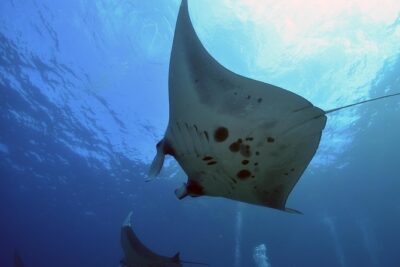
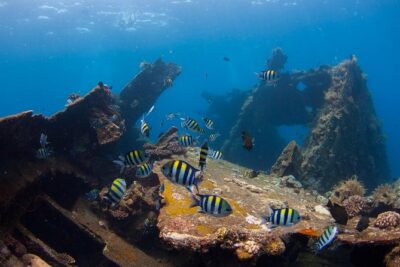
USS Liberty Shipwreck Scuba Diving at Tulamben Bali
Read our review →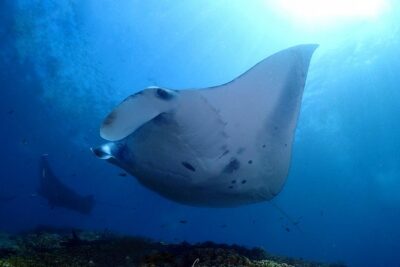
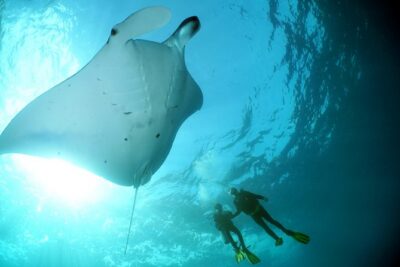
Scuba Diving Nusa Penida Manta Point 3 dives for certified divers
Read our review →
Bali Scuba Diving trip at Tulamben for Certified Diver
Read our review →
Bali Scuba Diving at Nusa Penida Manta Point For Certified Diver
Read our review →Browse the lists this tour appears in