
Reviewed · KUTA
Nusa Dua: Museum Pasifika Admission Ticket with Audio Guide
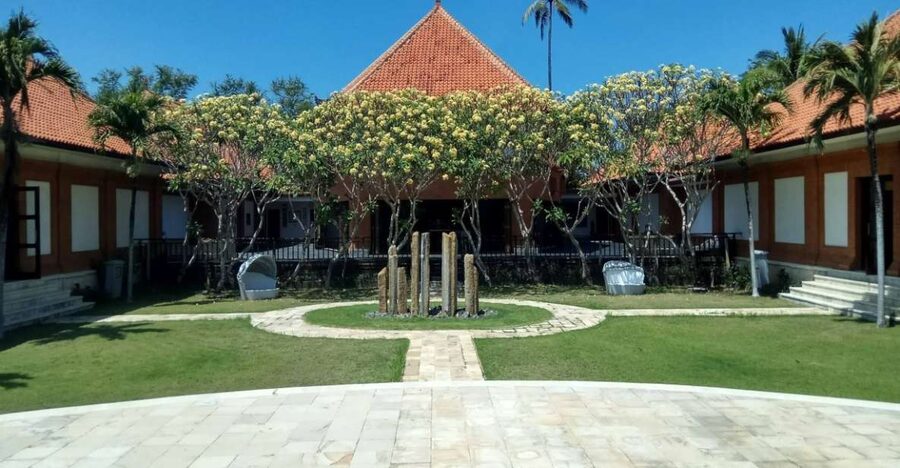
Museum Pasifika brings together more than 600 paintings and sculptures by 200 artists, offering a broad look at art from Indonesia and the wider Asia-Pacific region. The rooms range from Indonesian masters to European artists inspired by Bali, then on to a remarkable collection of Oceanic sculpture.
I like two things in particular: the Michoutouchkine and Pilioko Collection, with around 200 sculptures from 10 Pacific nations, and the chance to encounter Indonesian artists such as Affandi and Raden Saleh alongside artists from abroad. The audio guide can help you make sense of this wide-ranging collection without rushing you through it.
One consideration is the gallery environment. The space has been described as lacking air-conditioning, with doors left open, and there have been concerns about some works showing wear. In Bali’s humidity, that may affect both your comfort and how well certain pieces are preserved.
Key points to know before you go
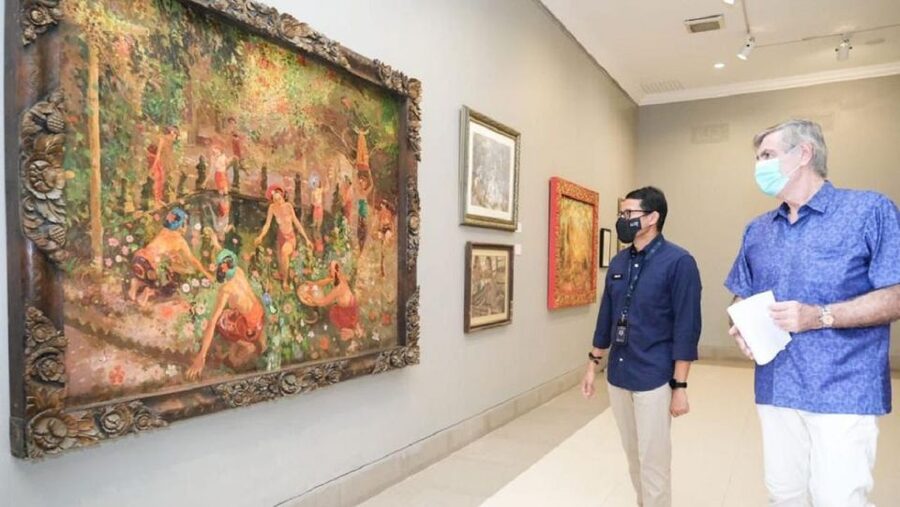
- More than 600 artworks: The museum’s collection includes historic and contemporary paintings and sculpture by about 200 artists.
- A broad Indonesian collection: Works by more than 50 Indonesian artists include Raden Saleh, Lempad, Affandi, Hendra, and Kobot.
- A major Oceania display: Around 200 sculptures from 10 Pacific nations form the Michoutouchkine and Pilioko Collection.
- Audio guide in two languages: The guide is available in English and Indonesian, adding context to a collection spread across many styles and regions.
- Practical comforts included: Admission includes a refreshment, a cold towel, and tea, coffee, or infused water.
- A relaxed visit, with a caveat: The galleries have been described as quiet, but the lack of air-conditioning may matter on a hot, humid day.
A museum visit built around the Asia-Pacific
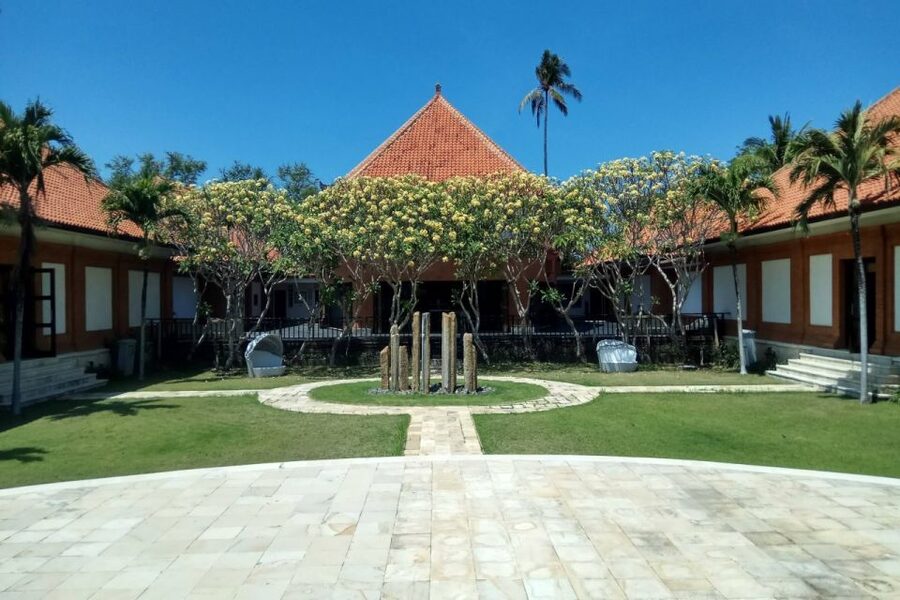
Museum Pasifika is a useful change of pace from Bali’s beaches and resort routine. Rather than focusing on one country or period, it gathers art from across the Asia-Pacific region under one roof. That scope is its main appeal, and also something to keep in mind: you’ll see a variety of artists, places, and styles, rather than a single, tightly focused story.
The collection includes more than 600 works by 200 international artists. You can look at historic and contemporary paintings, sculptures, and woodcuts, with a guide available to help connect the objects to their creators and cultural settings. The audio guide is offered in English and Indonesian. It’s especially useful if you want more than a quick look at the labels, though you can still set your own pace.
The museum is in Nusa Dua, and your ticket is for admission to the museum itself. Hotel pickup and drop-off are not included, so you’ll need to arrange your own way there. The ticket is valid on the visit date, and the experience is listed as valid for one day, giving you flexibility to take your time rather than follow a fixed tour schedule.
Other tours people book in Kuta:
- Nusa Penida day trip: boat, 4 snorkeling, Manta rays & Land tour
★ 5.0 · 2,033 reviews - Bali Nusa Penida West Private All-Inclusive Tour
★ 5.0 · 1,277 reviews - Mount Batur Sunrise Trekking Private Tour with Breakfast and Hotel Transfer
★ 5.0 · 885 reviews
Start with Indonesian artists
A good way to begin is with the Indonesian works. The collection spans more than 50 Indonesian artists, including Raden Saleh, Lempad, Affandi, Hendra, and Kobot. Seeing several artists together helps put Indonesia’s artistic range in view, rather than reducing the country’s art to the familiar imagery you may have encountered in shops or hotel décor.
These names represent different artistic approaches, and the museum’s range of historic and contemporary work gives you a chance to compare them. The audio guide can be useful here, particularly if you don’t already know the artists or want context beyond the name and title of a piece. You can pause and listen when something catches your eye, then move on when you’re ready.
The collection also includes work by Indonesian students of Hanoi’s Beaux-Arts School. Their work has received attention in international exhibitions and publications, making this a worthwhile thread to follow if you’re interested in how art education and exchange shaped modern art in the region. The museum’s broad scope means you may need to choose your own focus. I’d use the guide to identify a few artists or rooms you want to spend more time with, instead of trying to absorb every work equally.
Follow Bali’s European art connections
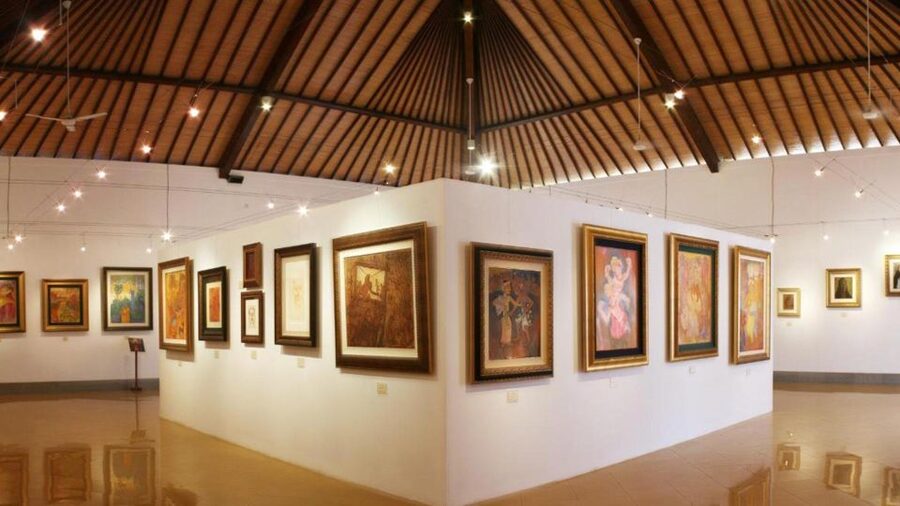
Another part of the collection looks at Indo-European artists whose work was influenced by Asia, especially Indonesia and Bali. Rooms include Italian, French, and Dutch creators such as Walter Spies, Miguel Covarrubias, Jean Le Mayeur, and Charles Sayers.
This section adds a different perspective to the museum’s Indonesian art. You’re looking at work shaped by artists who came from elsewhere and responded to the region around them. That makes the collection more than a gallery of national schools: it also traces the movement of ideas and people across borders. If you’re curious about the way Bali has been seen and represented by artists from abroad, allow time for these rooms.
The mix can be rewarding, but it may feel less cohesive than a museum devoted to one artist or one period. The audio guide can help you follow the connections. Without it, you might find yourself moving from one name or style to another without a clear sense of why each work is there.
Make time for the Oceania sculpture collection
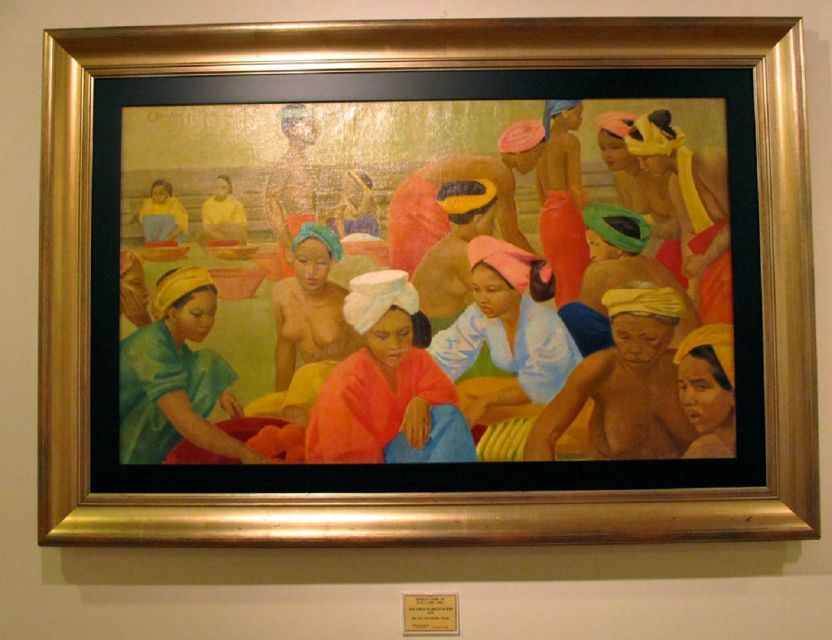
The Michoutouchkine and Pilioko Collection is one of the museum’s most distinctive sections. It contains around 200 sculptures from 10 nations across the Pacific, gathered over more than 50 years by artists Alexis Michoutouchkine and Aloï Pilioko. The collection is described as one of the most complete of its kind worldwide.
That scale gives this gallery particular value. It lets you compare works from several Pacific nations in one visit, instead of encountering a single object separated from its wider context. The sculpture also offers a change of pace from the painting rooms. If you’re most interested in art from Oceania, make this a priority rather than leaving it until the end when your attention may be fading.
The collection is a reminder that the museum’s focus extends well beyond Bali. You may arrive expecting a small local art museum and find a much wider regional range. That breadth is an advantage, though it does mean the visit benefits from a little planning. Use the guide to choose a few rooms that matter most to you, then leave time to wander through the rest.
Or spend the day another way:
- Individual Bali Day Trip with Private Driver and Free WiFi
★ 5.0 · 755 reviews - Waterbom Bali Tickets – Single Day Pass
★ 4.5 · 620 reviews - Private Tour Mount Batur Sunrise Trekking and Natural Hot Spring
★ 5.0 · 431 reviews - Private Tour Bali Beaches and Uluwatu Temple with Dinner
★ 5.0 · 363 reviews
Look for the Western artists shaped by Asia
The Legendary Western Artists Exhibition brings together work by artists associated with European and Western art who were inspired by time in Asia. Among the names listed are Paul Gauguin, Henri Rousseau, Henri Matisse, Auguste Rodin, Marvina Hoffmann, and Bernard Buffet.
Gauguin’s Tahiti period is represented with sculptures and woodcuts. This section gives you a way to consider how travel and time in Asia influenced artists whose names may be familiar from other museum settings. It also broadens the museum’s story: the galleries are not only about Asian and Pacific artists, but also about how the region became a source of ideas for artists from elsewhere.
Don’t expect every room to offer the same kind of experience. Some will appeal more if you already know the artist; others may be more interesting for the regional connections. The audio guide can help bridge that gap, especially when you recognize a name but want to understand why that artist belongs in this particular collection.
A calm pace, with a few comfort questions
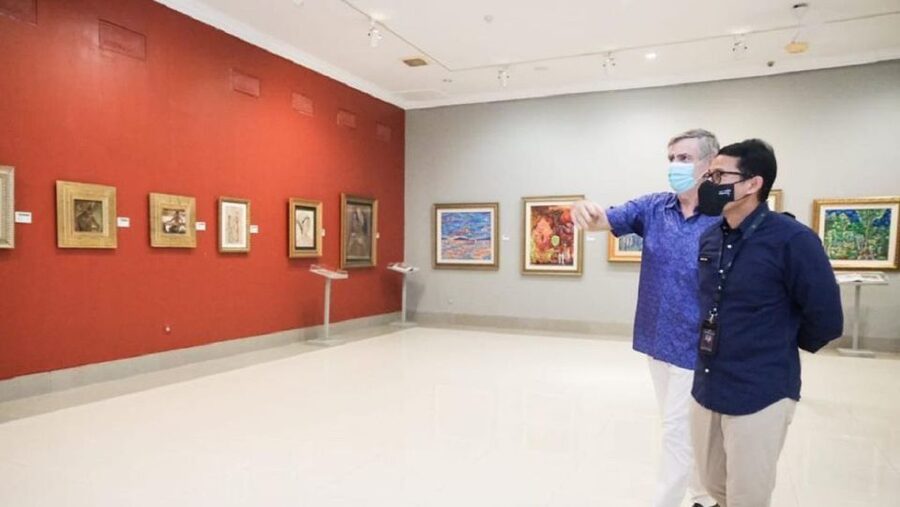
The atmosphere is often described as quiet, which suits a museum visit. You can take your time with individual works, use the audio guide when it helps, and pause for a drink without being tied to a guide’s timetable. If you’re looking for a quieter indoor activity in Nusa Dua, this is a practical option.
Comfort is less certain. The galleries have been described as having no air-conditioning, with doors left open. In Bali’s warm, humid climate, that can make a long visit less comfortable. There have also been concerns that some art is not well protected and is showing damage. If you’re particularly sensitive to heat or care about conservation standards, keep those points in mind before booking.
The museum has a café, free Wi-Fi, and a large parking area. A refreshment, cold towel, and choice of tea, coffee, or infused water are included with admission. Those touches are modest, but they make the visit easier, particularly if you’re coming from another activity or want to pause between galleries.
Is the $7 ticket good value?
At $7 per person, admission is an accessible way to spend time with a substantial collection. You’re getting entry to a museum with more than 600 works, an audio guide, and refreshments. The Oceanic sculpture collection alone gives the visit a clear point of interest, while the Indonesian and European-connected rooms make it more than a one-gallery stop.
Value depends on how you like to visit museums. If you enjoy taking your time with art and using an audio guide, the price is easy to justify. If you prefer a tightly organized tour with a live guide, hotel transport, or a single clear theme, this may not be the best fit. No pickup or drop-off is included, so factor in your own transport when judging the overall cost.
Children aged 0 to 11 can enter free of charge. The full galleries and facilities are wheelchair and motorized wheelchair accessible, which makes the museum an option for visitors who need step-free access. Flash photography, tripods, weapons, and sharp objects are not allowed.
Who should book Museum Pasifika?
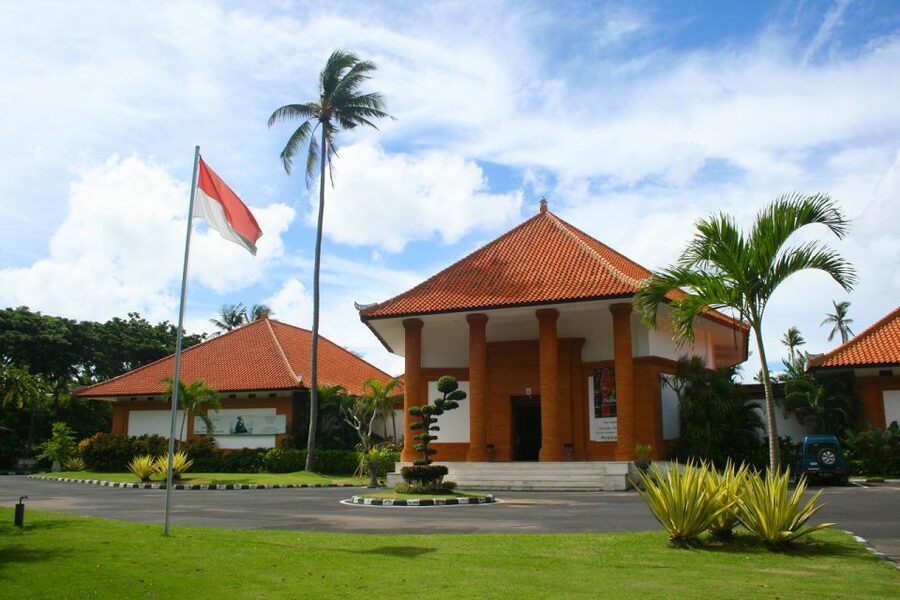
I’d recommend this museum if you want an art-focused break in Nusa Dua and are curious about how Indonesian, Pacific, and European art intersect. It’s particularly appealing if you want to see work by Indonesian masters and explore a large collection of Oceanic sculpture in the same visit. The audio guide and flexible pace suit independent visitors who like to linger.
It may be less satisfying if you want a polished, climate-controlled museum experience or prefer a guide to lead you through a clear narrative. The reported heat and concerns about the condition of some works are worth weighing against the modest price and breadth of the collection.
For a low-cost cultural stop, Museum Pasifika offers a lot to explore. Book it if the art and regional connections are the draw, and plan your visit with the warm gallery conditions in mind. Skip it if comfort and conservation standards are your top priorities.
FAQ
What is included with admission?
Admission includes an audio guide, a refreshment, a cold towel, and a choice of tea, coffee, or infused water.
Which languages are available for the audio guide?
The audio guide is available in English and Indonesian.
Do children have to pay for admission?
Children aged 0 to 11 can enter free of charge.
Is the museum wheelchair accessible?
Yes. The full galleries and facilities are accessible to wheelchair and motorized wheelchair users.
Can I take photographs inside?
Flash photography and tripods are not allowed.
Can I cancel my booking for a refund?
Yes. You can cancel up to 24 hours in advance for a full refund.
Just added in Kuta
- West Nusa Penida Day Trip★ 5.0 · 8 reviews
- Your Fragrance Selection: Bali Perfume Workshop and Creations★ 5.0 · 3 reviews
- Indonesia: Waterbom Bali Entry Ticket★ 4.5 · 6 reviews
- Bali Breathtaking Waterfall Tour★ 5.0 · 5 reviews
- Waterbom Bali Tickets – Single Day Pass★ 5.0 · 5 reviews
- Ubud Tour with Jungle Swing and Waterfall Water Temple★ 5.0 · 7 reviews
- Bali Halfday Tour Uluwatu★ 5.0 · 5 reviews
- Sunrise Jeep With Natural Hot Spring Tour Packages★ 5.0 · 3 reviews